8 Postpartum Recovery Essentials Worth Buying Before Baby Arrives
After surviving two postpartum recoveries, I’ve learned from my own mistakes, and today I want to help you save some $$$ by skipping all the unnecessary stuff you don’t actually need for your recovery.

First of all – preparing for Recovery Is One of the Greatest Gifts You Can Give Yourself
Pregnancy has a way of turning our attention outward.
We research strollers, compare car seats, fold tiny sleepers into perfect drawers, and spend hours choosing the safest products for our baby. By the time the due date arrives, many nurseries are beautifully prepared.
Yet the person who has just grown and birthed that baby often receives surprisingly little attention.
Postpartum recovery is sometimes treated as something that simply happens—a few weeks of rest before life returns to normal. In reality, it is a remarkable period of healing. Muscles recover. Hormones shift. Sleep becomes fragmented. The uterus gradually returns to its pre-pregnancy size. If you’re breastfeeding, your body is simultaneously learning an entirely new skill.
Your recovery deserves preparation, too.
The good news is that supporting postpartum healing doesn’t require buying dozens of specialized products. In fact, one of the biggest misconceptions about postpartum is that more products lead to a better recovery.
They don’t.
Thoughtful preparation matters far more than an overflowing shopping cart.
A handful of carefully chosen essentials can make everyday moments gentler: sitting down without discomfort, using the bathroom with less anxiety, reaching for a glass of water without getting out of bed.
These aren’t glamorous purchases.
They’re quiet ones.
And often, those are the purchases you’ll appreciate the most.
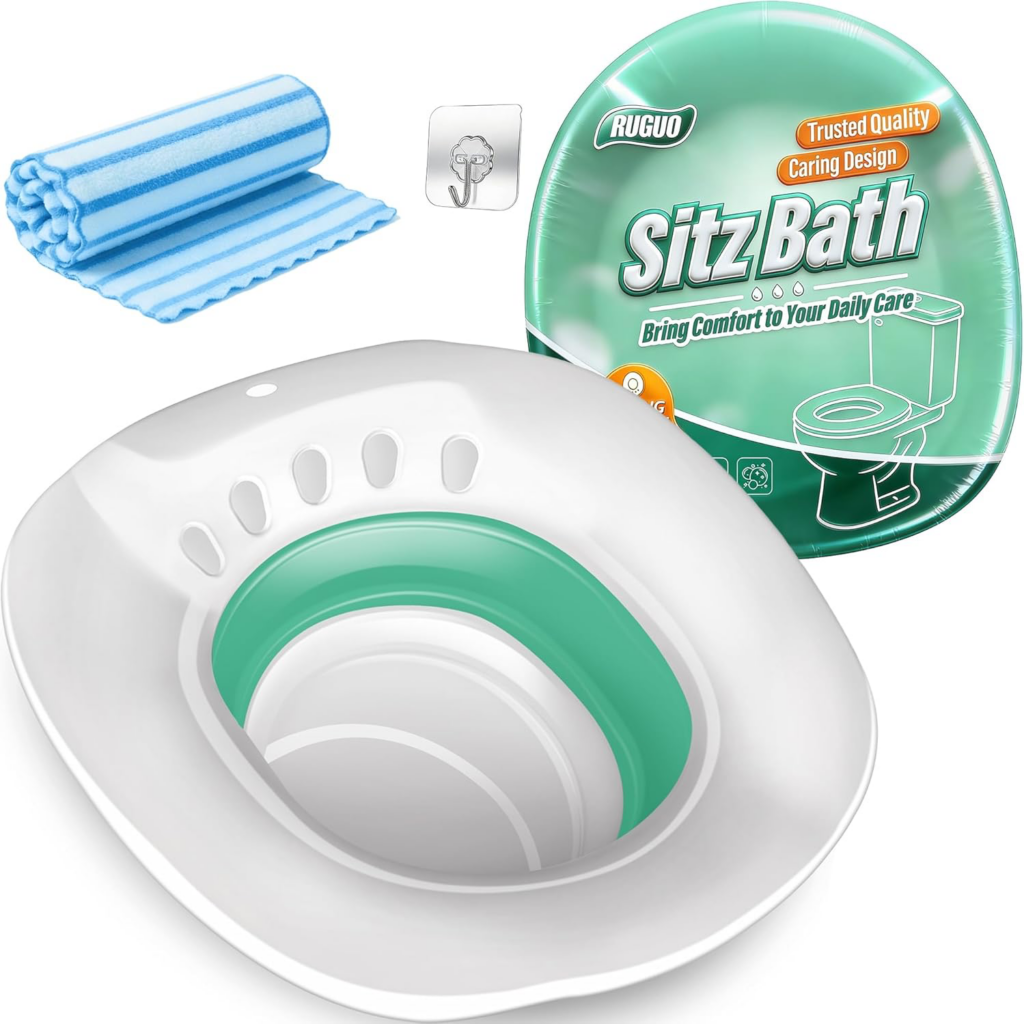
1. A Sitz Bath That Fits Over the Toilet
There are few moments after birth that feel as comforting as sitting in warm water after a long day of feeding, holding, and healing.
A sitz bath is a small basin that fits over your toilet seat, allowing you to soak only the perineal area without filling an entire bathtub. It may seem like a simple purchase, but many mothers consider it one of the most useful tools during the first weeks after a vaginal birth.
Warm water has long been recommended to help soothe sore tissues after childbirth. While research on sitz baths shows mixed results, many women report that regular warm soaks help them feel more comfortable and encourage relaxation during recovery.
Some mothers also enjoy turning this into a small daily ritual by adding gentle herbs such as calendula or chamomile. Although there is limited clinical evidence supporting specific herbal blends for postpartum healing, these herbs have a long tradition in postpartum care and may contribute to a calming experience.
More than anything, a sitz bath creates something every new mother needs: permission to pause.
For ten quiet minutes, there is nothing to organize, wash, or prepare. Just warmth, stillness, and the gentle reminder that your body is healing.
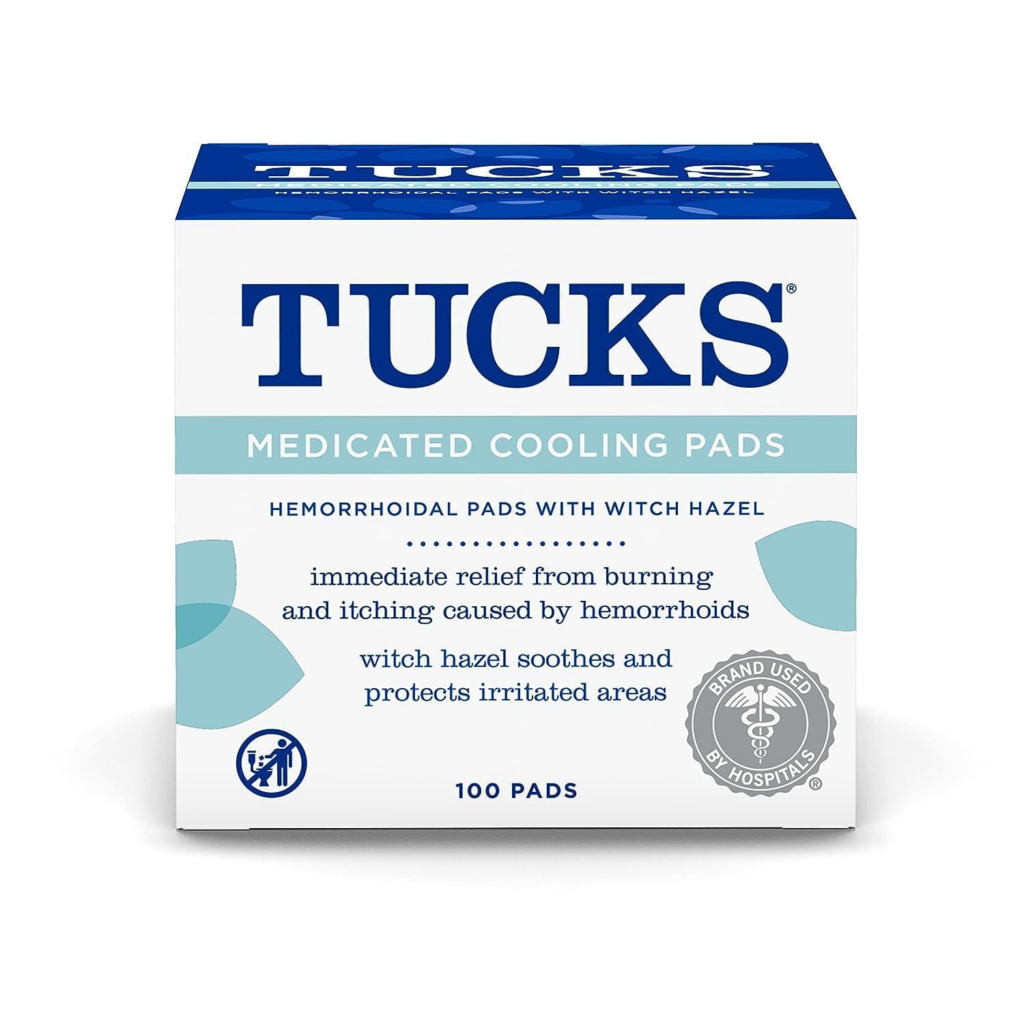
2. Witch Hazel Pads
If warmth brings comfort, cooling relief has its own place in postpartum recovery.
Witch hazel pads have been recommended for generations to temporarily soothe swollen tissues, hemorrhoids, and general perineal discomfort after birth. Their cooling sensation often feels especially welcome during the first few days, when even sitting down may require a little courage.
Alcohol-free witch hazel pads are usually the gentlest choice, particularly if you have stitches or sensitive skin.
Many women place them directly on top of a postpartum pad, creating a simple cooling compress that can be replaced throughout the day.
Like many postpartum comforts, witch hazel doesn’t speed healing overnight. Instead, it helps make ordinary moments—a trip to the bathroom, sitting to feed your baby, standing up from bed—a little less uncomfortable.
And during those early weeks, small comforts matter.
And obviously you don’t necessary have to be a postpartum mom to use them for treating your hemorrhoid condition. I personally love them since I discovered them during my postpartum recovery and keep using them when needed.
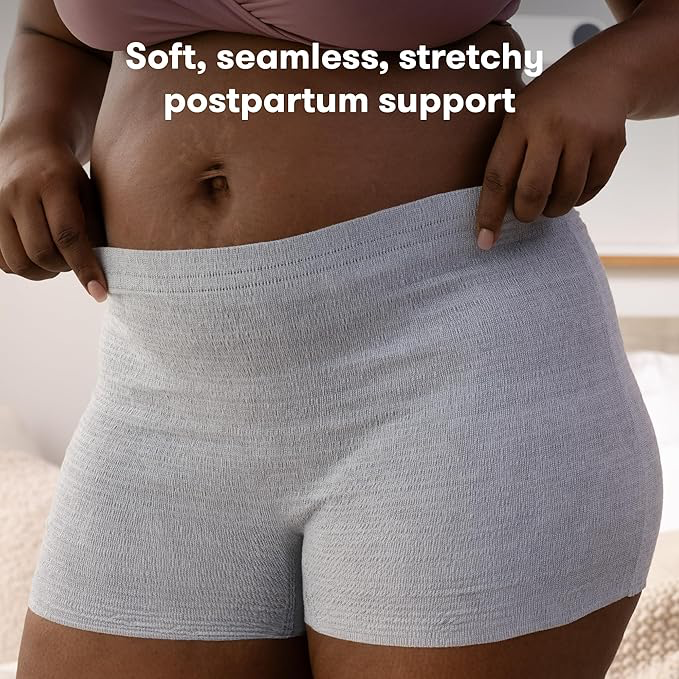
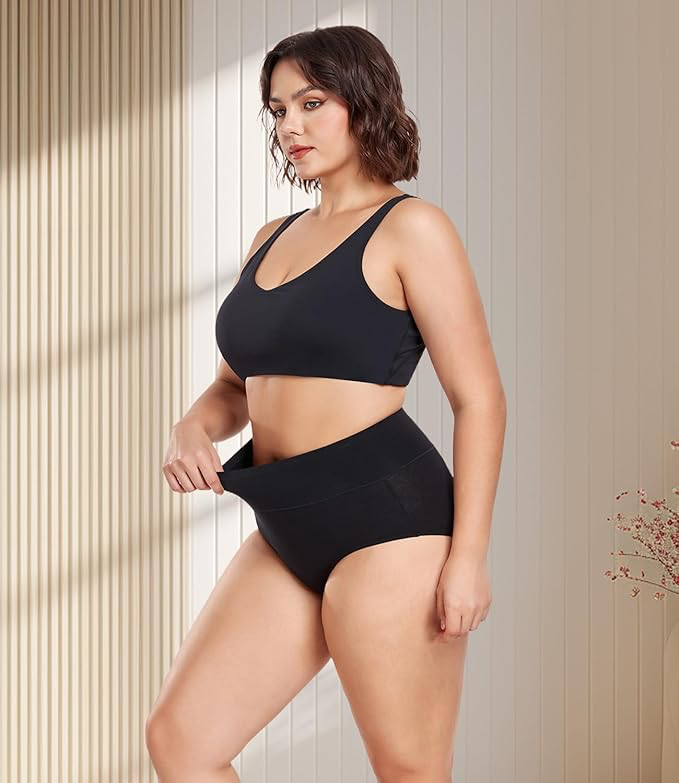
3. Comfortable High-Waisted Postpartum Underwear
You’ll probably spend months choosing the perfect baby clothes.
Yet the underwear you’ll wear every single day after giving birth is often an afterthought.
After delivery, your body doesn’t want tight waistbands or synthetic fabrics. It wants softness.
High-waisted underwear made from breathable natural fibers—such as cotton or bamboo—can make a remarkable difference during recovery. The higher waistband avoids unnecessary pressure on tender tissues or a cesarean incision, while the extra room comfortably accommodates larger postpartum pads.
This isn’t about looking put together.
It’s about removing one small source of discomfort from a body that is already doing extraordinary work.
When you’re feeding a newborn every few hours and adjusting to life with very little sleep, comfort becomes something far more important than luxury.
It becomes support. Check out the disposable ones as well cause for the first 3-5 days postpartum could be even better than the cotton option:
4. Large, Soft Postpartum Pads
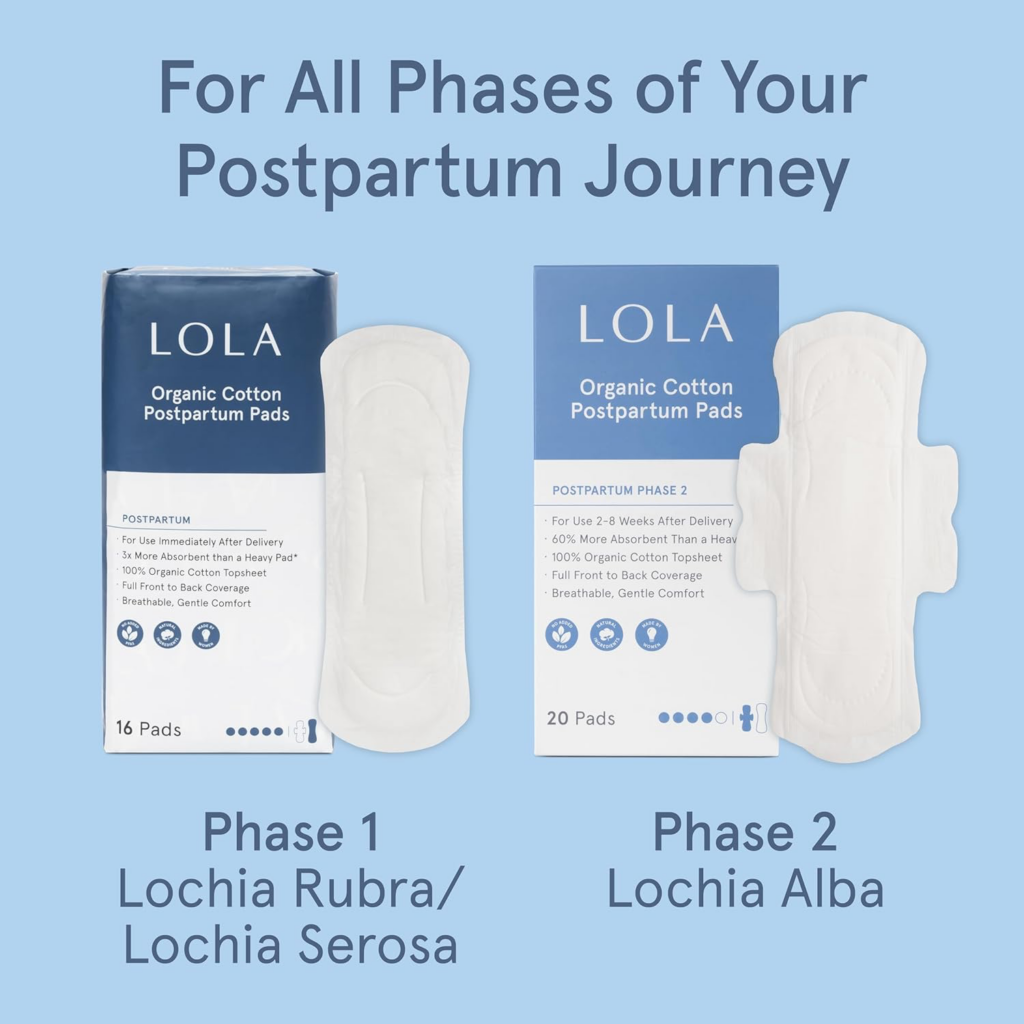
One of the biggest surprises for many first-time mothers is how long postpartum bleeding lasts.
Known as lochia, this bleeding is a completely normal part of recovery as the uterus sheds tissue and gradually heals. It typically changes over several weeks—from bright red during the first days to pink, brown, and eventually a lighter discharge.
During this time, comfort is just as important as absorbency.
Choose large, soft, fragrance-free postpartum pads designed to handle heavier bleeding without irritating already sensitive skin. Breathable materials are often more comfortable than heavily scented products intended for regular menstrual use.
Just as importantly, allow yourself to view changing your pad as more than another task on your growing list.
It’s an opportunity to briefly check in with your body.
How are you feeling today?
Is the bleeding gradually becoming lighter?
Are you noticing anything that concerns you?
These quiet observations help you become familiar with your own healing.
If you begin soaking through a pad within an hour, pass very large blood clots, feel faint, or experience heavy bleeding that suddenly increases after slowing down, seek medical attention promptly. While postpartum bleeding is expected, excessive bleeding requires urgent evaluation.
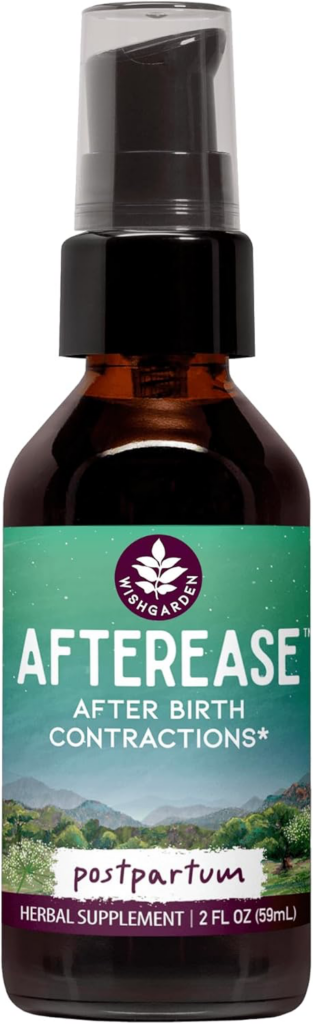
5. Gentle Support for Afterbirth Contractions (Especially After a Second or Later Birth)
Many women are surprised to discover that labor isn’t quite over once the baby is born.
In the hours and days that follow, the uterus continues contracting as it gradually returns to its pre-pregnancy size. These contractions—often called afterpains—are a normal and important part of postpartum recovery.
If this is your second, third, or fourth baby, you may notice them much more than you did the first time.
Breastfeeding can also make these contractions feel stronger. Every time your baby nurses, your body releases oxytocin, the same hormone that helped bring your baby into the world. Now, its job is different: helping the uterus contract and reducing the risk of excessive bleeding.
Knowing this ahead of time can be reassuring.
Rather than wondering whether something is wrong, you’ll understand that these waves of discomfort are often a sign that your body is doing exactly what it was designed to do.
Some mothers find comfort in simple measures such as resting, applying gentle warmth to the lower abdomen, staying well hydrated, or practicing slow, steady breathing while the contractions pass.
Others choose professionally formulated herbal tinctures designed to support postpartum recovery. If you’re considering herbal remedies, it’s important to discuss them with your midwife or healthcare provider first—particularly if you’re breastfeeding, taking medication, or have any underlying medical conditions.
If it’s your second (third, fourth, ….) baby, please make sure you have this. It will really make the difference!! BELIEVE ME
6. A Peri Bottle
There are moments after birth that no one really prepares you for.
One of them is your first trip to the bathroom.
If you’ve had a vaginal birth, especially with stitches or swelling, something as ordinary as urinating can suddenly feel intimidating.
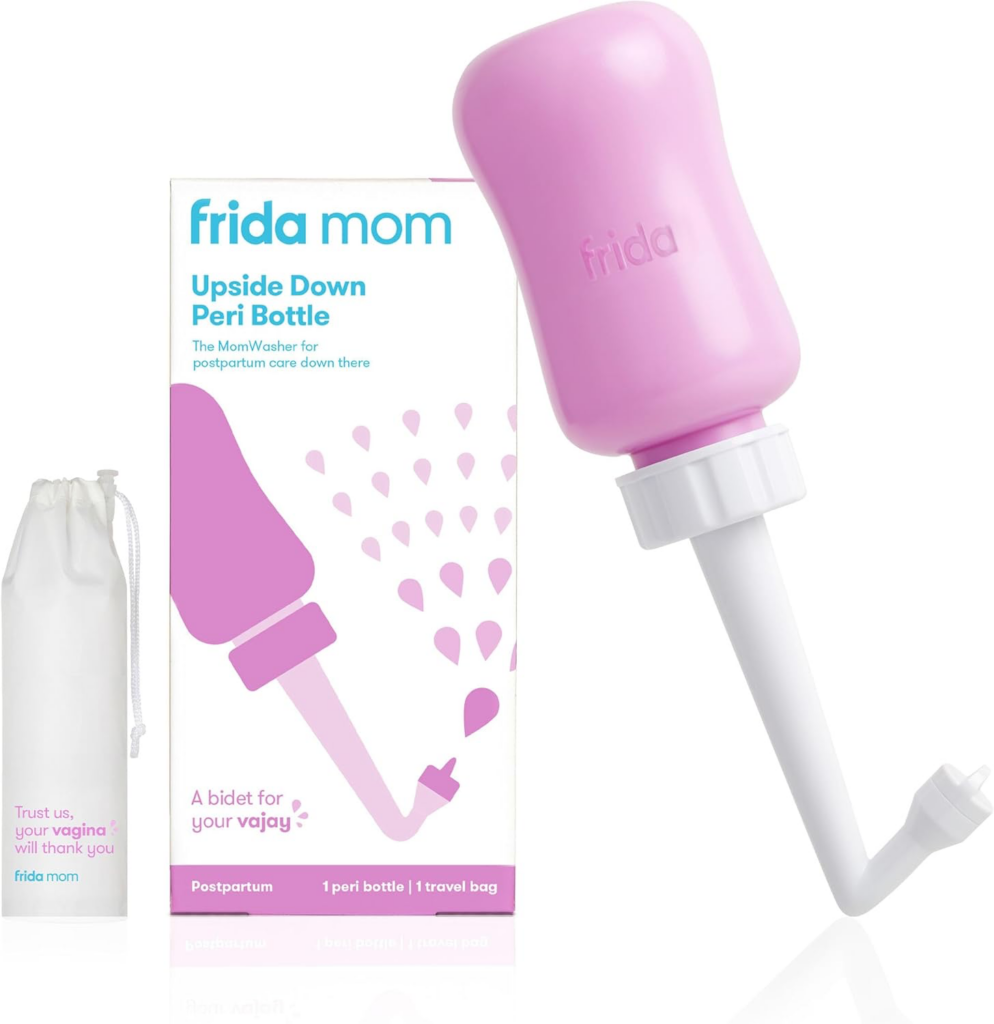
A peri bottle helps transform that experience.
Filled with warm water, it allows you to gently rinse the area while you urinate, helping dilute the urine and reduce the stinging sensation many women experience during the first days postpartum. It also offers a gentle way to cleanse the area without rubbing sensitive tissues.
It isn’t an expensive purchase.
It isn’t particularly beautiful.
Yet it may become one of the most appreciated items in your recovery routine.
Many hospitals provide a basic peri bottle, but if you’re preparing ahead of time, you may find that versions with an angled nozzle are easier to use.
Small improvements in comfort matter.
When you’re recovering from birth while learning to care for a newborn, reducing discomfort during ordinary daily routines can preserve precious energy for everything else.
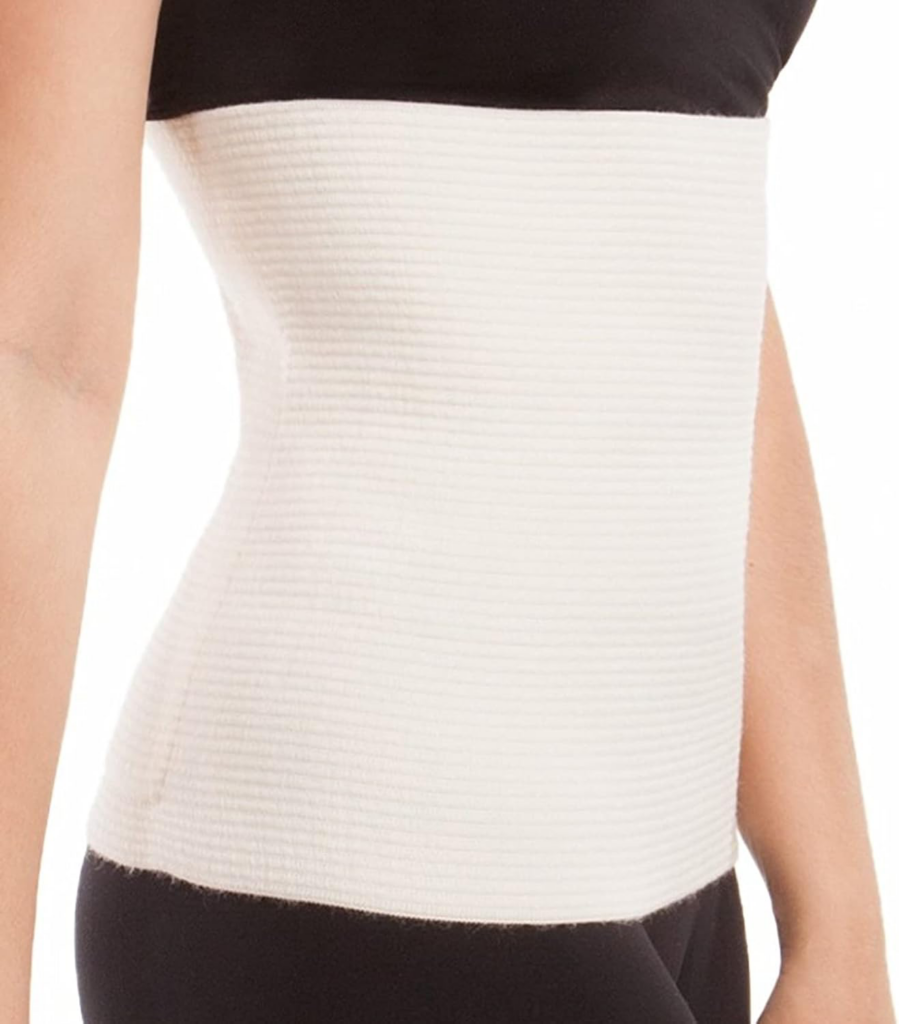
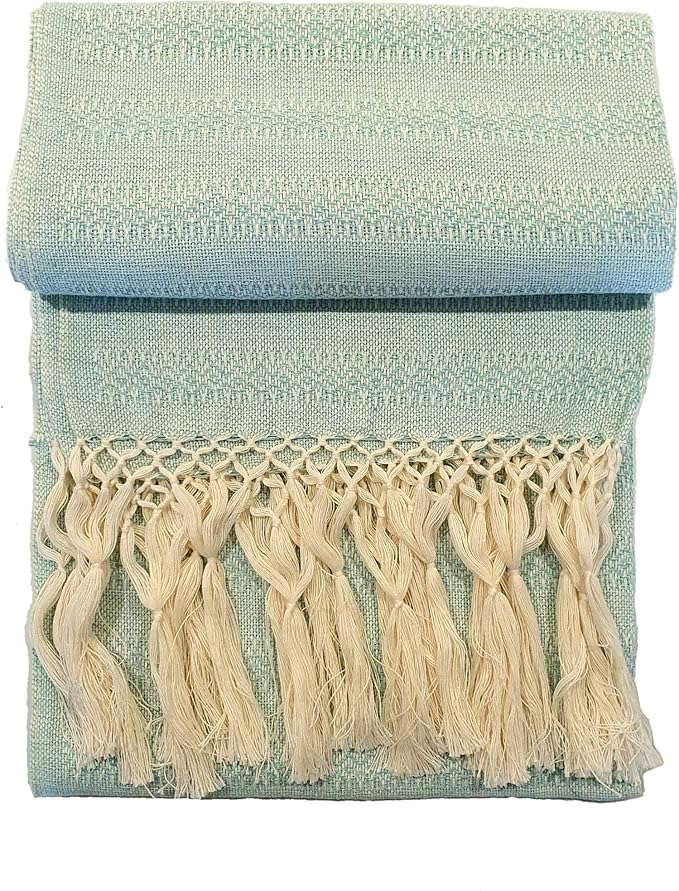
7. A Supportive Postpartum Belly Wrap or Rebozo
After giving birth, many women naturally long to feel supported again.
During pregnancy, your growing baby was held securely within your body. Once the baby is born, that familiar sense of stability changes almost overnight. It’s one reason many mothers describe feeling surprisingly “empty” or physically unsupported during the first weeks postpartum.
For generations, cultures around the world have used gentle abdominal support as part of postpartum recovery. Whether it’s a traditional rebozo, a postpartum wrapping cloth, or a supportive belly band, the goal isn’t to reshape the body or speed weight loss.
It’s simply to provide comfort.
Some women find that gentle support helps them feel more stable while moving, coughing, laughing, or getting out of bed. Others appreciate the subtle reminder to move more mindfully as their abdominal muscles and connective tissues recover.
If you choose to wear a postpartum belly band, remember that support should never feel like compression.
The wrap should feel secure enough to provide gentle support, while still allowing you to breathe comfortably and move naturally. If it’s pulled too tightly, it may create unnecessary pressure rather than comfort.
A rebozo or traditional postpartum wrap offers a different kind of support. Rather than squeezing the abdomen, it gently embraces the body—a practice rooted in many traditional cultures that view the postpartum period as a time of restoration, warmth, and care.
Neither option is essential for every mother, and research on postpartum abdominal binding is still evolving. Some women find it incredibly comforting, while others prefer not to use one at all.
I will recommend you the binder I used during my second postpartum and felt exactly how it should: supportive but not squeezing me.
8. A Recovery Basket Beside Your Bed
If I could recommend just one preparation that costs very little yet makes an enormous difference, it would be this:
Create a recovery basket before your baby arrives.
Not because it looks beautiful on Instagram.
Because one day you’ll be holding a sleeping newborn in your arms, finally comfortable after a long feeding, and you’ll realize your water bottle is in the kitchen.
Your phone charger is across the room.
Your lip balm has disappeared.
And the muslin cloth you need is downstairs.
A small basket beside your bed or favorite nursing chair quietly solves all of those problems before they happen.
Fill it with the things you’ll reach for over and over again:
- a large water bottle
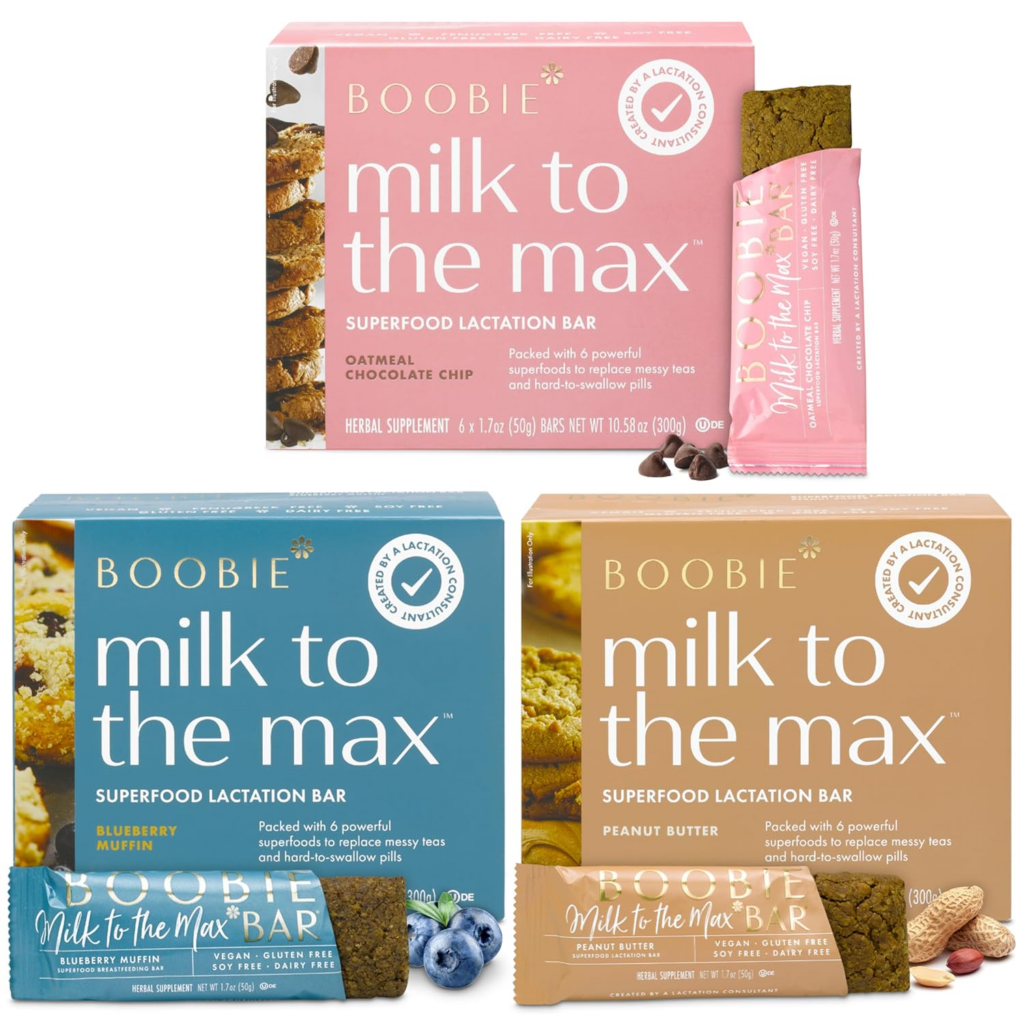
- nourishing snacks
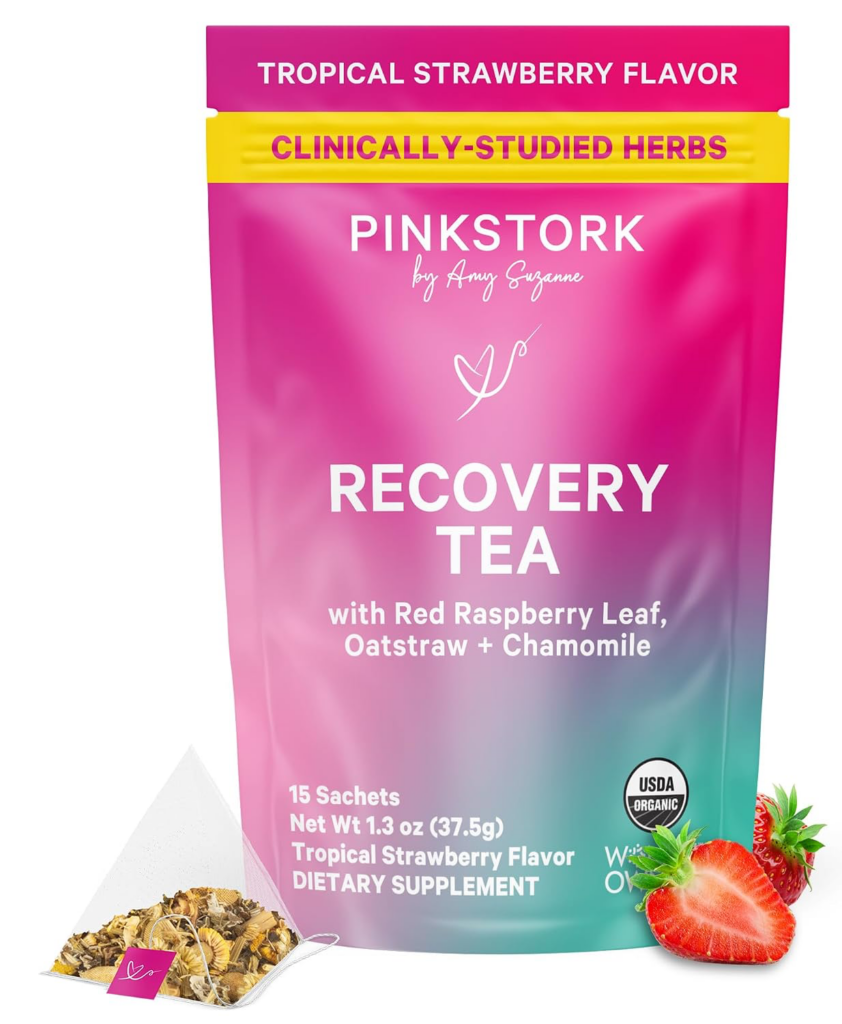
- herbal tea
- lip balm
- tissues
- a phone charger
- muslin cloths or burp cloths
- hand cream
- any prescribed medications
- a notebook or journal if you enjoy writing
None of these items are remarkable on their own.
Together, they create an environment that asks a different question.
Not, “How quickly can I get back to normal?”
But, “What would make healing feel a little gentler today?”
That shift in perspective changes everything.
What You Don’t Need to Buy
Modern motherhood comes with an endless stream of recommendations.
Every week seems to bring another “must-have” postpartum gadget promising faster healing, less pain, or an easier recovery.
It’s easy to believe that if you don’t buy everything, you’ll somehow be unprepared.
The truth is usually much simpler.
Most women don’t need a cupboard full of specialized recovery products.
They need time.
They need nourishment.
They need support.
They need sleep whenever they can find it.
And they need a handful of practical items that make everyday life a little more comfortable.
Before clicking “Add to Cart,” ask yourself a gentle question:
Will this help me rest more?
Will it make everyday moments easier?
Or am I buying it because someone convinced me I should?
The postpartum industry often sells the idea that healing can be optimized with the right products.
Your body tells a different story.
Healing isn’t something you purchase.
It’s something you create space for.
Sometimes buying less is one of the kindest decisions you can make.
A Final Reflection
When people talk about preparing for birth, they often imagine hospital bags, breathing techniques, and tiny newborn clothes folded into neat little stacks.
But birth is only the beginning.
Recovery is where your body quietly performs one of the most extraordinary acts of its life.
Without applause.
Without milestones.
Without much recognition at all.
Over the following weeks, your uterus slowly shrinks. Muscles and tissues repair themselves. Hormones shift again and again. You learn your baby’s cries while rediscovering your own body.
None of this happens overnight.
And it shouldn’t have to.
There is so much cultural pressure to “bounce back” after having a baby—as though healing were something to complete rather than something to experience.
Nature works differently.
A seed doesn’t become a tree because someone asks it to hurry.
The sea doesn’t rush the tide.
Your body also has its own rhythm.
Perhaps the greatest gift you can give yourself before your baby arrives isn’t a perfectly organized nursery or the latest postpartum gadget.
Perhaps it’s something much quieter.
A comfortable place to rest.
A few thoughtfully chosen essentials.
The willingness to ask for help.
The permission to move slowly.
Because one day, when these early weeks have become memories, you probably won’t remember which brand of pad you bought or whether your peri bottle had an angled nozzle.
You’ll remember how you felt.
Whether you felt supported.
Whether you felt cared for.
Whether, in the middle of caring for everyone else, someone—including your past self—remembered to care for you.
And that may be one of the most beautiful ways to begin motherhood.
Your support means the world, and I appreciate each and every one of you! If you have any questions about this, feel free to drop me a message.
Hugging all moms,
Anastasia Holistic Sage🌿
Just a heads-up – some of the links you find in my content are Amazon affiliate links, which means I might earn a small commission if you make a purchase through them.
No worries, though! It doesn’t cost you anything extra, and it helps me keep this holistic corner of the internet running. I only recommend products I genuinely believe in and think you might love too.